Wednesday, May 6, 2026
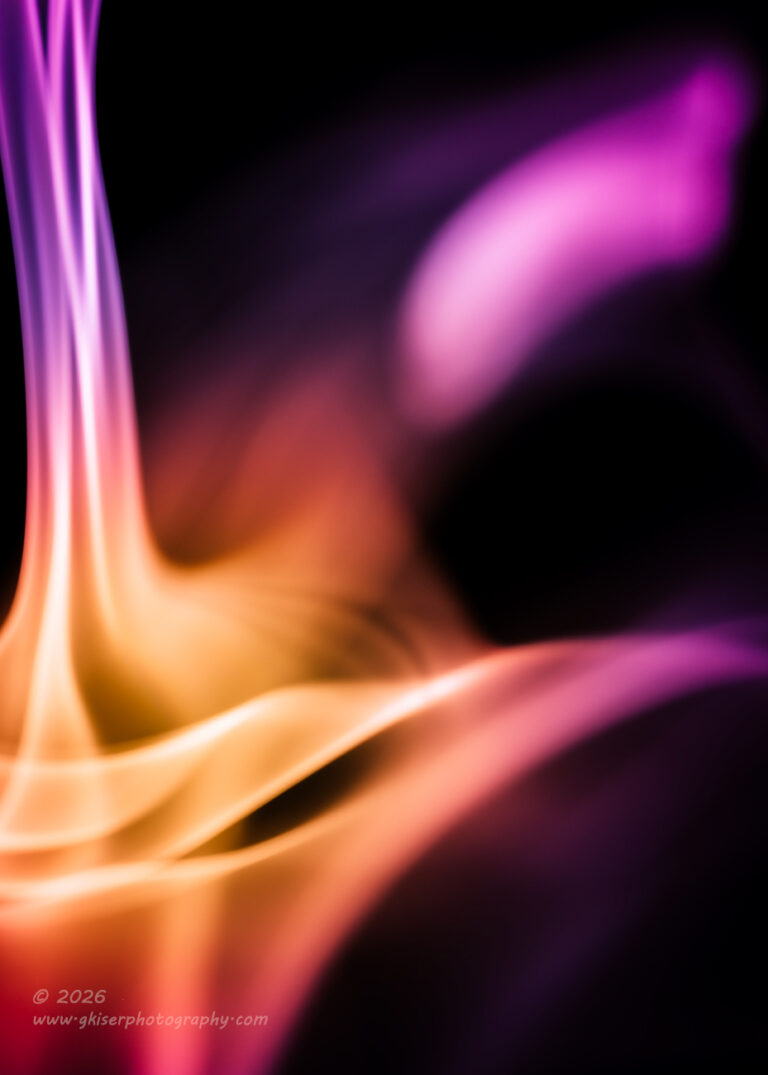
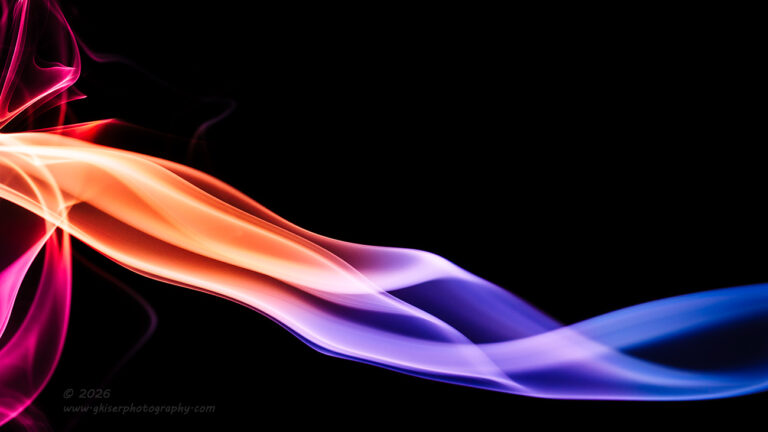
For those of you who opened this blog, thank you. I’m well aware that when I do smoke photography that most don’t bother to give it a look because it isn’t what they are used to seeing from me. In fact, I’ve noticed a trend when it comes to my smoke photography and audience reaction. There is little to no engagement with the photos either here on my website or on social media. I’m currently posting the images from February this year when I did some smoke photography that I think turned out pretty good. Those posts have caused traffic to my social media pages to drop significantly, and I’ve seen the same thing happening to the website. This happens every time I do this kind of photography, and I honestly don’t know why that is. Deep down to my core, I love doing this kind of work and I really enjoy the photos that come from it. Despite the fact that it is all done with incense, these photos are a breath of fresh air for me. They allow me to really dive into some vivid colors while working my creative eye. There is also an argument to be made that it helps to train my timing with anticipating things before they happen when looking through the camera. The images that are created are usually very unique and very abstract.
So, why is it that nobody likes these photos? The only thing that I can really come up with is that they are not featuring a rusted car, a dilapidated barn, a waterfall, a landscape, or some version of decay which is what most folks are expecting from me. Yes, I love all of those subjects too and they form the backbone of what is in my portfolio, but man cannot live on visible scenes alone. At least I think that I have heard that before. There are times that I like to ignore what is visible and chose to create something that was never there to begin with. That is where this kind of photography comes into play and it is something that I really do enjoy.
I’m going to do this blog a little different from how I normally proceed because there just isn’t much to talk about when it comes to this kind of session. I’m not waiting on the weather; I’m not out hunting for subjects. Heck, I don’t even have to ask for permission. I didn’t even have to ask to turn off the A/C or heat in the house before starting this because it was cooler inside than the A/C was set for. it really is just a matter of getting my own motivation up to do it and getting things set up for a 30-minute session which is how long the incense cone lasts. The majority of time is spent sitting at the computer doing the processing and really working out how the images are going to look. In all fairness, that took about six hours or so, but I’m sure you don’t want me to go through the play by play of that process. I don’t really want to relive it either, so I’ll save both of us the hassle.
What I would like to do with this blog is talk about the abstract nature and how I’ve come to this point in the processing of these images. I think that will be far more interesting. There is really no sense in talking about the individual photos either. I could tell you what I see in them, and in many cases the title will allude to that connection. I would really rather you form your own opinions on them and establish your own connection rather than to try and see mine. That is the beauty of abstract work, it means something different to everyone. Of course, the editing choices were all based on how I responded to the image, so there’s that.

If you would like a quick history of my smoke photography, here are some recent blog entries from 2021, 2022, 2024, and finally earlier this year. The earliest blog that I could find was from 2017, though I had done some smoke photography before that. It just happened to be documented in the old AOL Journals which are long gone now unfortunately. As you can see, this is a type of photography that I do regularly, but not often at all. This might be the first year that I have done two different sessions during a calendar year and it is only five months into the year, so there might be more. Each time I do this kind of photography, I look to improve on it from the time before. This could be gear choice, exposure settings, or processing choices. There is always something that I try to do differently in an attempt to improve on the earlier versions. Sometimes this works, other times it doesn’t.
I’ll say that the biggest improvement that I have made has been my choice of lens. When I started out, I used my standard zoom (24-70mm) which allowed me the ability to get close in on the smoke which would keep me from having to crop as much as if I had used the telephoto lens which would require me to stay about a foot away from the smoke. Thanks to my need for a macro lens for some of my portrait photography work, I happen to now have an RF 100mm f/2.8L in my inventory which is used for close-up shots of rings for engagement sessions. This lens has allowed me to actually fill the frame with the smoke and that keeps me from cropping much at all while originally, I was cropping into about half of the frame to get the composition that I want.
The next thing that has helped over my early days is the addition of some studio specific items. When I first started out, I was just laying a flash on a stack of books to get it high enough to light the smoke. If I had anything in the background it was a black towel. These days, I have actual black backgrounds that work great as well as light stands to mount my flash on. Having barn doors is a great way of keeping lens flare from happening as the flash is very close to the lens of the camera. With the studio equipment comes a much better understanding of exposures used with flash. No longer am I exposing for what I think is a poorly lit scene despite having flash. I now understand that the exposure comes from the flash and aperture choice rather than shutter speed which just needs to be fast enough to kill the ambient light.
Speaking of light, even though I have three 500ws studio strobes, I’ve found that these don’t work well in this type of photography. Sure, the light is great and the recycle times are very fast. The problem is that these lights have an internal fan to keep them cool under use conditions. This fan is small, but it is just enough to cause unplanned disruptions in the smoke which I found out a few years ago. Since that time, I have just used the Canon Speedlites as my lighting choice. They have plenty of power, but they do take a bit longer to recharge, especially when the batteries are not fresh. Using Speedlites also allows me to zoom the flash head to 105mm which narrows the beam and concentrates more light on what I am aiming at. By adding a Bowens bracket, I can use barn doors with the flash to further restrict the beam of light. This works very well and I would give it a 9/10 because of the recycle times.

The last huge improvement that I have seen in my smoke photography has come from the processing of it. This is where I have found my voice with this kind of photography and have found the artistic end of it. While I have always done these in color, I have generally just done global adjustments to temperature and tint to get a pleasing look to the smoke which usually had a bluish tint to it by the time I was done. Whatever color I went with was applied to the entire image and I just left it at that. Several years ago, I changed that and started to use the masking options in Lightroom to add color in different areas of the image. This allowed me to bring in two, three, four, or more colors into the frame to help break up the different elements that I saw in the smoke. I really liked the structure that this technique added to the images and have stuck with that for years now. Of course, I am getting better and better at creating colors when I am just starting with basic gray smoke in the frame.
By using different colors in the frame, I have achieved a better understanding of color theory which I have used in my other work. By playing around with the colors, I get to see things like what colors appear to come closer to the viewer and which ones recede. I learn what combinations work the best visually and which ones cause a bit of a jarring effect. I even get to pick colors to decide on a mood for the image which can change the entire tone of what we are looking at. The addition of colors is equally as important in the expression of the photograph as well as gaining a better understanding of colors for other types of photography. You just can’t beat that at all.
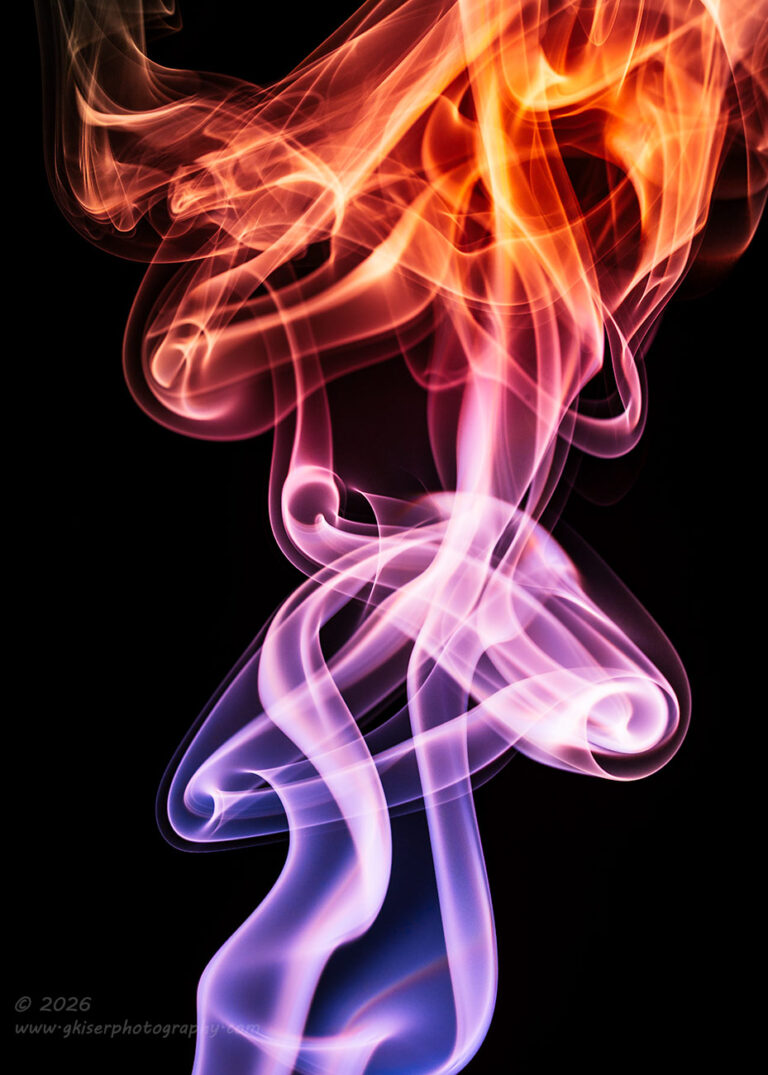
Smoke photography started out for me many years ago after reading a book about different photography projects. It was kind of rudimentary and I didn’t do most of what it was suggesting, but there were a few techniques that I did learn from the book. There was the concept of light painting which I am still doing to this day with my decay subjects. I also learned about photographing water drops which I have done a few times but ultimately have found that an exercise in frustration because I have to time the exposure the second that the drop hits the water. I end up cussing at myself way too much for that to be enjoyable. There was even a section on photographing oil and water which is fun, but rather messy to deal with. All of these exercises turned into learning points and started getting me involved with studio lighting, though I didn’t really understand it until much later after doing portrait work.
The idea of smoke photography seemed to click with me more than the other types of creative photography though. In a way, it was an easier technique to get right, and I didn’t need to find a suitable subject for it. I created the subject by lighting a stick of incense. I could do this during the day or night, regardless of the weather which always makes me happy. There was never any telling what I was going to capture whenever I started this kind of session. Even when I was doing everything right, the patterns and look of the smoke still might not work out as a photo. However, when it all came together, the photos were quite unique and wildly interesting to me.
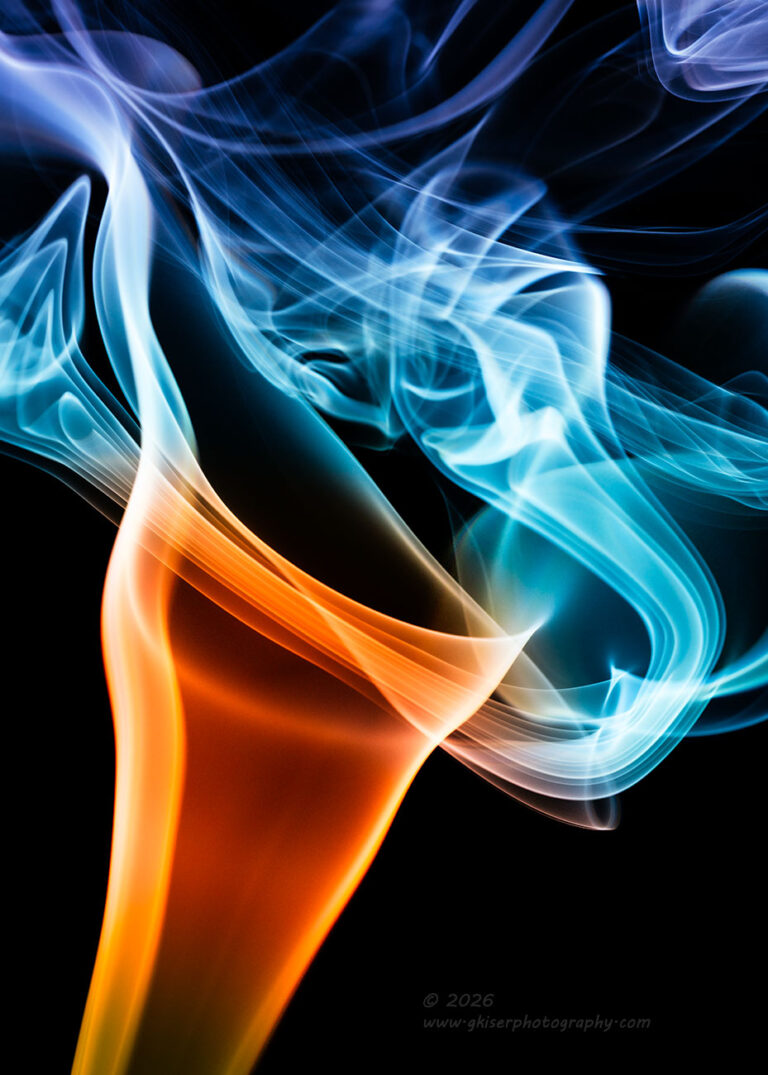
Why is smoke so interesting to me? We see smoke in our everyday life whether it be from the exhaust on a car, to a campfire, maybe a cigarette, or even right before the smoke detector says that it is time to eat. Smoke is just something that has been a part of our lives since the caveman days and fire was invented. Smoke gets very little consideration though other than the saying that where there is smoke there is fire. This suggests that the only thing that smoke is good for is letting you know that there is fire close by. Sure, this is important, and is a great warning device for our safety, but can smoke be beautiful as well?
I’m here to say that it sure can be. The trick is freezing the smoke in a way that captures what our eyes can’t see. We see things in constant motion and our brains can’t process individual frames of that motion as they pass by. This means that smoke is pretty much just a moving texture through the air as we see it. The beauty of photographing it is that we get a chance to freeze that motion and really see the structure of the smoke. This has nothing at all to do with the shutter speed of the camera though. We can set it to the fastest that our camera will allow and we still won’t be able to see smoke frozen, if we can see anything at all in the frame.
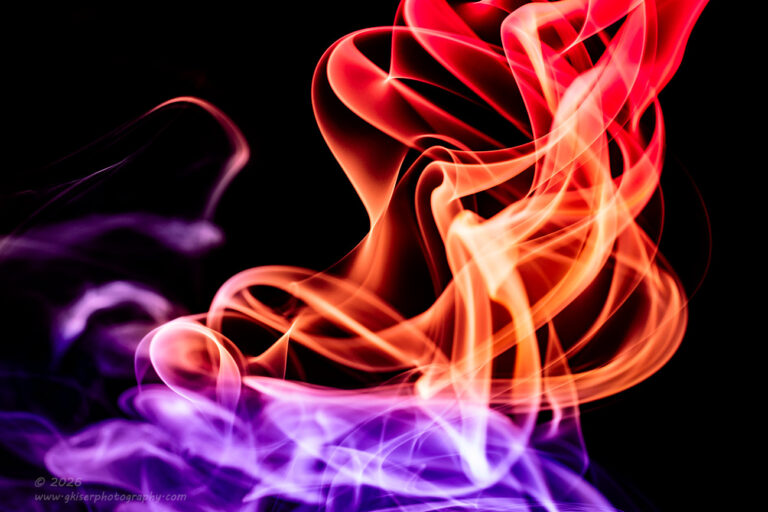
The real trick to this photography is the use of the flash. This does two things to allow us to see the smoke. The first is that it allows us to side light it which makes it stand out against the background. It gives us the details of the smoke in a way that front lighting just can’t show. Back lighting is also a good option, but that creates all kinds of chances for lens flare and really doesn’t change the look enough to offset that risk.
The second aspect where flash can really make a difference is in the duration of the flash. While my shutter was set to 1/200 of a second, that was not the actual length of the exposure. That was just the flash sync speed with a mechanical shutter. The actual exposure time is based on the flash unit. The Speedlite that I am using has a duration of approximately 1/2000 of a second at the power that I was using it. This duration effectively becomes the exposure time and that fraction of a second is what we see. For the remaining that time the shutter is open there is no light getting to the sensor so that time doesn’t matter at all.

Speaking of exposure, I might as well share what my exposure values are. I’m using ISO 400 because that is the secondary native ISO on the R5 and will create an image as clean as ISO 100 on that body. This allows me to use a narrower aperture which gives me a greater depth of field while still not taxing the flash too badly. At f/11 for a reasonable depth of field, I am able to get a proper exposure with the flash unit at 1/3 of a stop below 1/2 power which gives me a workable recycle time between shots. The shutter speed of 1/200 just kills the ambient light in the photo.
It really is that simple when it comes to exposure. Of course, I have played with all of those numbers over the years but have found that this gives me the best chance of getting most of the smoke in focus as it does its little dance in front of the camera. Speaking of the dance, that is the best part of this whole style of photography. If you have ever looked at an incense cone, or stick, burning you will see that the smoke rises straight up from the part that is burning. How boring would that be to photograph just a straight line of smoke cutting through a frame?
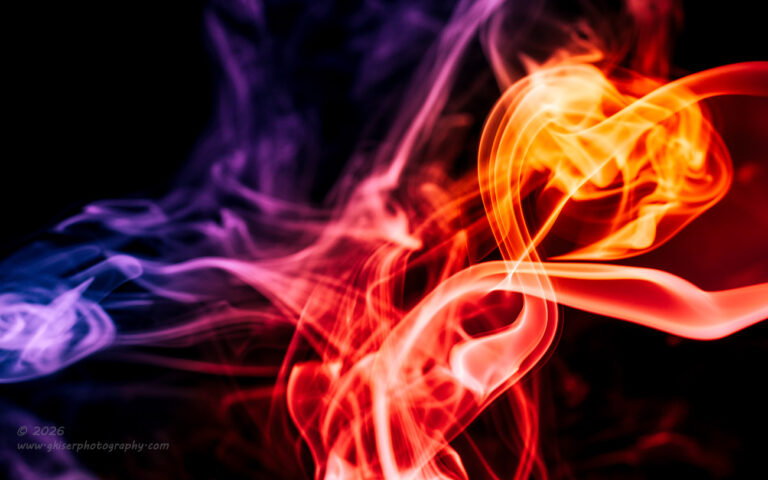
This is where smoke photography becomes the abstract art that it is. You have to disrupt the smoke to make the photos work. Anything that you do to break up that steady stream will make different scenes appear in the camera. I’ve done many different things from tapping on the table that the incense is burning on to using a handheld piece of cardboard acting like a fan. Over the years, I’ve decided that the best things to use are just my hands and a gentle blowing towards the smoke.
Using my hands to gently move the air is the most used method. I will flap my hands at various speeds to get different types of patterns to develop. This is the more subtle way of doing things. When I want to really change things up, I will just blow gently over the camera lens which will make the smoke completely leave the frame for a second or two. When it comes back, it is usually fuller and will have lots of different textures visible until things settle down again. I’ll just continually use a combination of these techniques to disrupt the smoke stream and give me the abstractions that you see here.

Timing becomes the biggest factor in these photos as you can imagine. The difference between stream, visual interest, and recovering stream is very quick after the air is disrupted. I have to anticipate the moment and press the shutter release quickly to fire off the shot before it is gone. The lens choice makes that even more difficult because the framing that you see here is pretty much exactly what the camera is capturing through that 100mm macro lens. The only cropping that I will do usually is for aspect ratio and not for content. It was easier with the standard zoom because I could press the button a little later and still capture the action. The tradeoff was that I would have to crop into the image by about 50% to get the part that was interesting.
That cropping is throwing pixels away that I really would rather keep. Back then, I was shooting with a 10mp sensor and after cropping, I was left with about a 5mp image. That improved a bit when I started shooting with a 24mp camera, but I was still losing a lot of that resolution in the name of composition. These days, I am using a 45mp camera (in this case), but with the lens, I’m able to avoid cropping which maintains that resolution and ability to print very large without losing detail or sharpness.
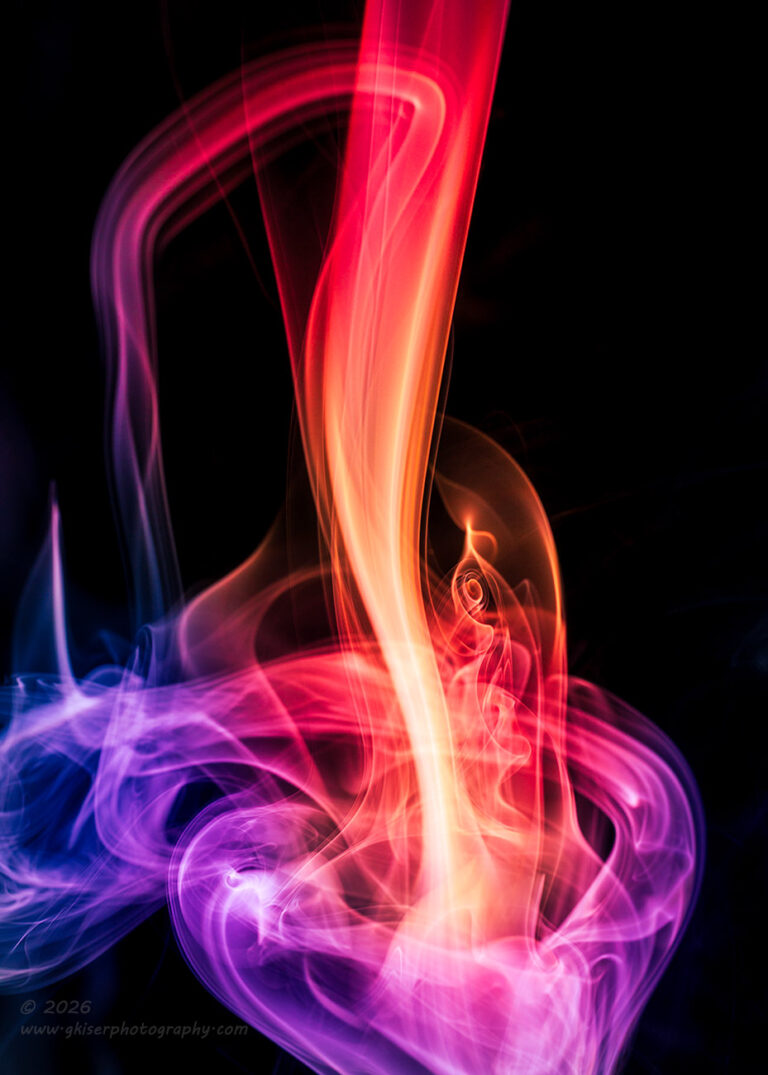
Timing is part of the process in creating these photos. It allows me to fill the frame with something of interest. However, that is not always the image that actually makes sense to look at. The beauty of shooting abstracts is that there is no up or down, and left and right doesn’t matter. In a way it is kind of like thinking about flying in space. With no gravity or horizon, there is no proper orientation, and two different vessels can be traveling in level flight on two completely different axis. OK, I’ll admit, I’ve been watching a bit too much sci-fi here lately, but the comparison is still valid. With random shapes forming, there is not basis on proper orientation with smoke photography.
This means that when looking at the images, I am actually looking at them in a very loose way. I know that I can rotate the image at will as well as flipping it. This means that I can change how the image is read in a variety of different ways. This gives me complete control over the composition once I see an interesting shape developing within the frame. While this part of the processing is generally done before the actual work is started, there are times when I choose an orientation to start with and by the time I am done with it, I have decided to rotate or flip again for a slightly different variation on the composition. Everything is fluid from the beginning to the end.
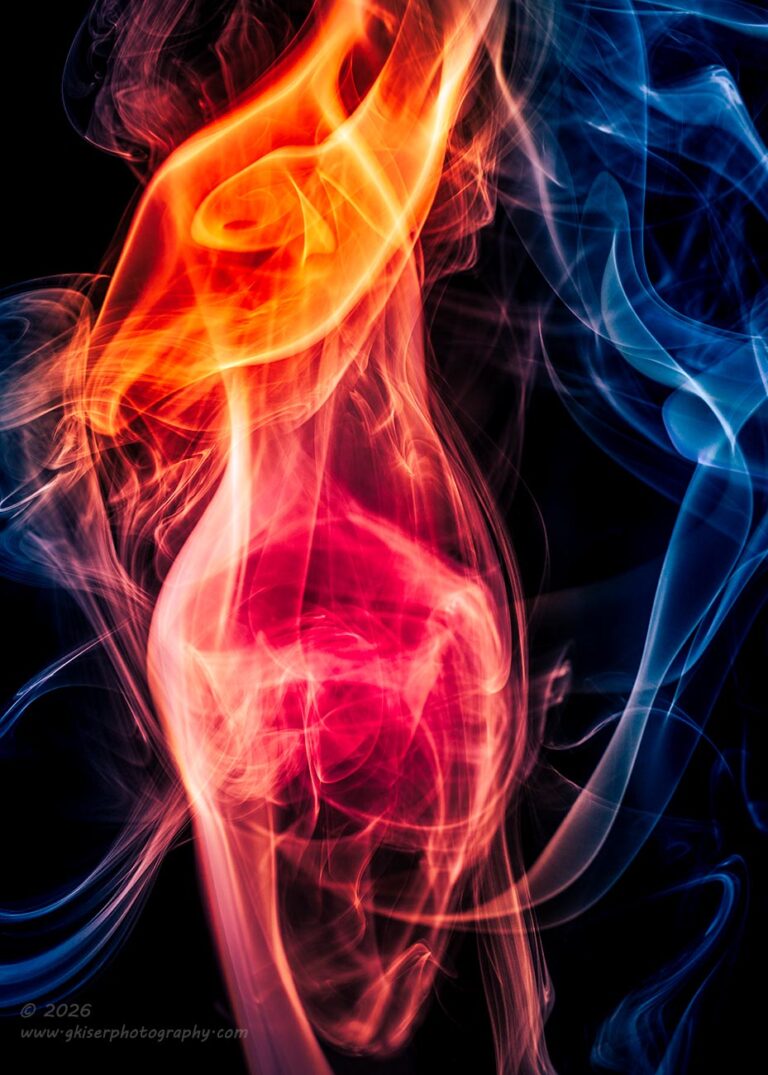
Honestly, I think that it is the way that I am processing these smoke photos that makes them a little different to the other photographers out there that are doing smoke work. I’m not saying that I have revolutionized this kind of photography, though I really haven’t seen many examples of this style out there. All I am saying is that now that I am using colors so intently with these photographs, I am better able to tell the story of what I am seeing. It all starts with how the shapes affect me, and I use the colors to bring that story out. Of course, I am still leaving the interpretation up to the audience, I just like to guide the journey a little bit.
For me, the colors add to the interest and also help to make sense out of a confusing set of random shapes. When I was first reading about this kind of photography, it was all about elegant streams of smoke with some cute curls added in as the smoke got disrupted. The images were largely a single color, and usually on a white background. I have found that those images are a bit too boring for me, and I like the confusion of the smoke to fill the frame. The colors that I use help to define the shapes within that confusion, and it is one of the few times that adding color actually simplifies a scene. Normally, to simplify a scene, we subtract the color and go for a monochrome image.
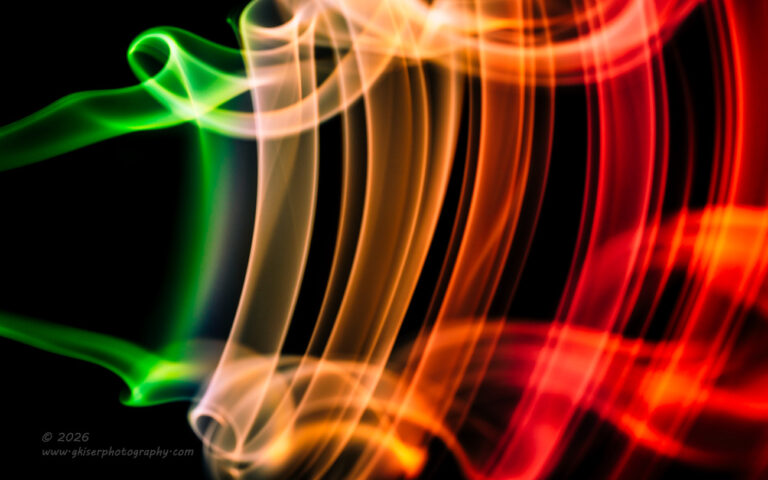
The abstraction will always be the draw for me with this kind of photography though. Everything is up to chance and there is no way to get something exactly the way that you imagined it. The best thing to do is to go into this without any preconceived notions and just start shooting. The ideas come after the frames have been captured. This is where you see shapes, crop, choose aspect ratios, and decide on orientation. The final bit is the color that is added to really bring the story home. It is a process from beginning to end and the real creativity comes long after the shutter has been pressed.
Abstract photography has always been something that I have enjoyed, but it is a little more difficult to capture and create than you would think. There is a very fine line between abstract and random. Random makes no sense and is confusing for the sake of being confusing. Abstract has a structure to it, a reason for being. It can be random as well, but that randomness has to be anchored to something that might resonate with a viewer. It is that aspect that prevents anyone from just going out and pointing a camera into a direction and taking a photo which is then called abstract. Smoke photography is about as close as you can get to doing that as you are leaving 80% of the frame up to chance with that remaining 20% built up between how you disrupt the smoke and when you press the button. Even then the large portion of the photos will be trash because they are just too random.

My hit rate for this kind of photography has varied wildly over the years. I’ve shot 200 frames to get six keepers before and then come away with nearly half of the images being pretty decent. In this most recent session, I shot a total of 106 frames during the 30 minutes that the cone was lit. Of those, I think 10 of them were black frames because the Speedlite didn’t recycle in time for the next frame. During the initial cull, I had a total of 44 frames that I wanted to look at closer. Each of these were well balanced and in focus, but I still needed to find a story within them. The final culling brought that total down to 18 images which is nearly 20% of the total number of exposures.
I never plan for this many photos during these sessions. I would have been happy with six or so, but if I see promise in one, I will go ahead and process it fully and add it to the collection. I never know what might happen with these photos in the future, but I want to have a variety in case I do a book, or a gallery showing of these images.
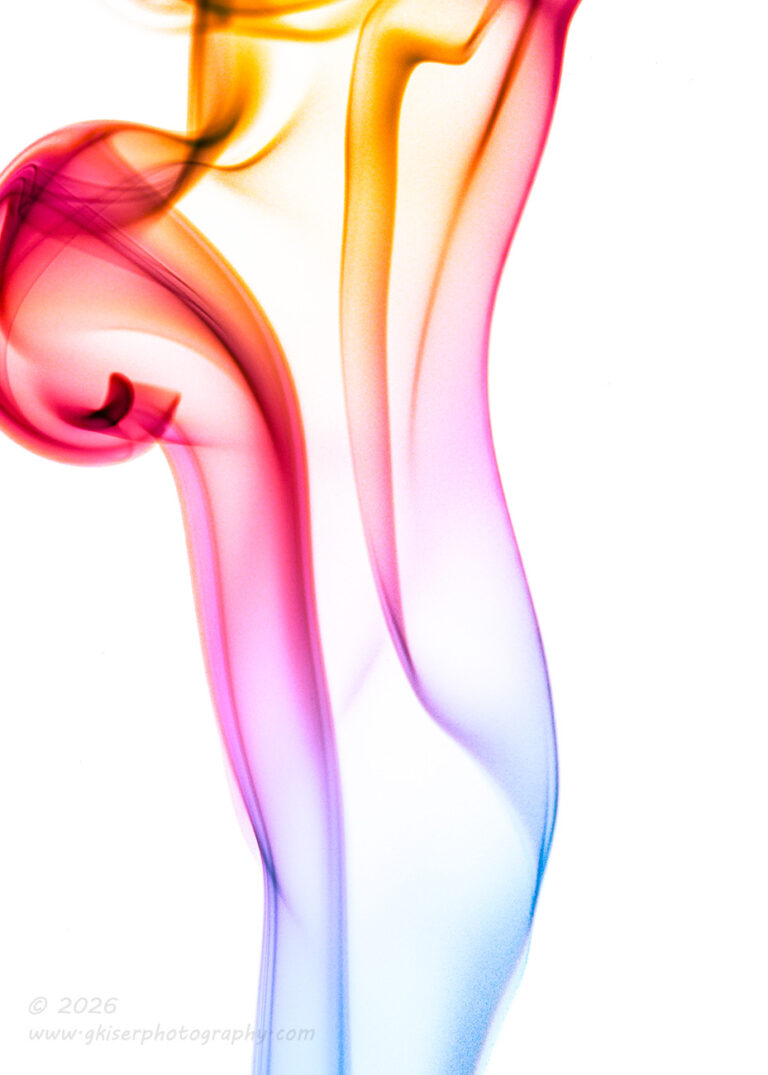
Why in the world would I be looking at doing a gallery showing or making a book of these images? I mean, I was pretty up front about the lack of interest when it comes to the audience when I am sharing these images. That is true, and it is a little disheartening to put this kind of work into these photos to have them largely dismissed by so many. I also know deep down that these are very unique pieces that are purely artistic in form and execution. Art is one of those very polarizing things and will routinely cause varied opinions across the board. When I look at these images, I am almost convinced that they would fall in the category of fine art because of the abstract nature behind them.
Those that have followed my work have done so because I have captured scenes that existed in real life and done it in an artistic way. I am very proud of my body of work in that respect and will continue to make it grow. However, that body of work is based on things that appeal to a certain type of person, while this smoke photography has no bearing in reality or in scenes that we have memories tied up in. It is something completely different and appeals to a very different type of person. I don’t have the connections with those types of people at the moment, but I know that they are out there. To make it easier to understand, the fans of Jackson Pollock love his work, but would probably consider my typical photography largely forgettable and unimportant. Photography in general would probably not be viewed as an artform that that group. Because of that, I don’t have any Pollack fans following me here on the website or on social media. Not saying that this smoke photography is on the same field as a Pollack original, but I know that there are folks out there that would love this work but wouldn’t be overly interested in the majority of what I photograph. I just need to get in front of those people and see what happens.
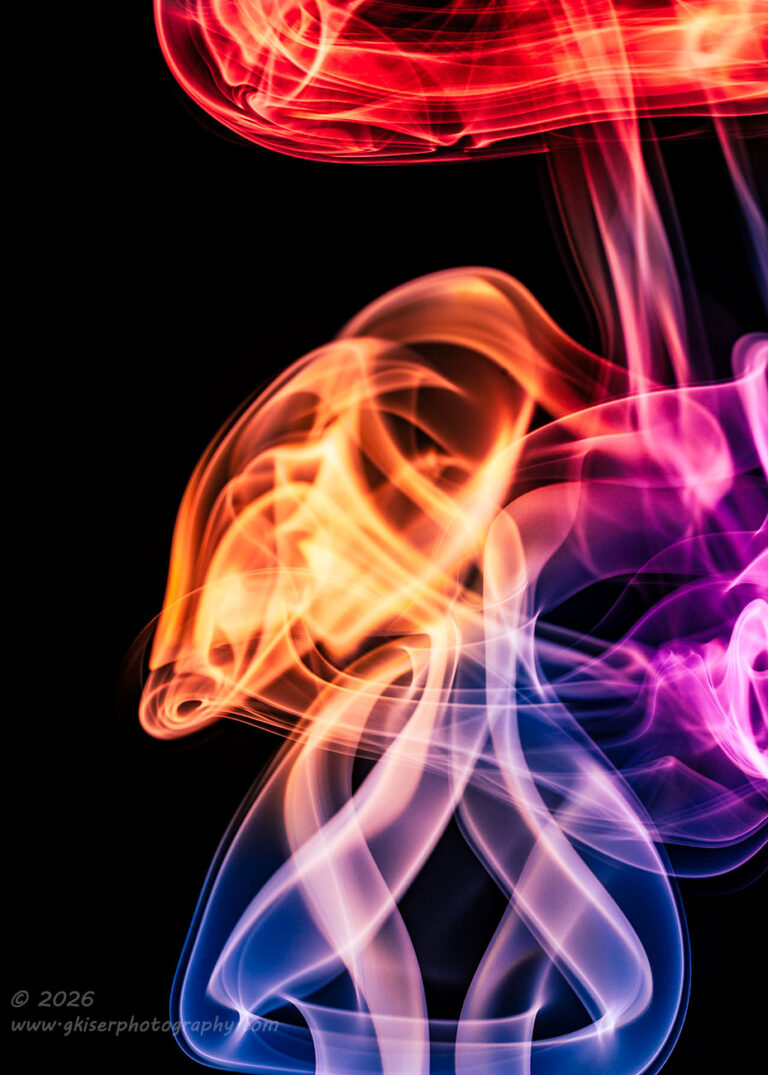
Even though this type of photography is very different from what I normally do, there is an aspect of wabi-sabi to it. It is that imperfect nature that comes into these photos. There are always little whisps of smoke off in the shadows, especially in the later photos, which are imperfect. The colors might not be perfect because I am creating them largely through temperature, tint, and RGB curves rather than having a color actually appear. These imperfections add to the human quality of this type of photography which I think is a very important aspect of it. Why am I not striving to create perfection with these photos? I mean, I am creating them from absolutely nothing, so I should be able to dial it in perfectly. Well, perfection is very hard to come by with this kind of photography since we are dealing with something as unpredictable as smoke. I don’t stress it, and it has become even less of a concern these days.
In fact, I consider it a benefit for this type of photography. In the age of AI, you could ask the computer to create something based on this style of photography and it would present something polished and perfect in a matter of minutes or even seconds. The colors would be vivid and the lines crisp. The shapes would be beautiful and emotive. However, it would lack soul and would lack the human quality of capturing, interpreting, and executing that I have done here. The imperfections that you see here are what will set it apart from the AI slop that we are getting so used to seeing. These are photographs created by a human and interpreted by a human. In the current state of photography, that is more important than ever and I’m happy that I am able to create these images without the help of AI.

In fact, I find it kind of humorous that the AI bits in Lightroom can’t quite figure out what to do with these photos. I don’t use the Adaptive Profiles with these because they throw the exposure way off and bring in color tones that just don’t belong. I can’t even use the AI remove tool because it can’t understand what to replace the bit of dust with. I stick to the healing brush and basic profiles for the rough edits. The masks are all based on linear and radial gradients rather than the AI selection tools. This is all done with very basic editing tools and all done by hand. It is quite satisfying to know that is the case and that there are no algorithms which will apply to this kind of work.
It is kind of rare that a photographer can feel like a painter, but doing this kind of work is more painter and less photographer. The photography aspect of it is actually quite insignificant as it is all what is done to the images in post that really counts. That is where the art comes into play. That is where the images are actually created.
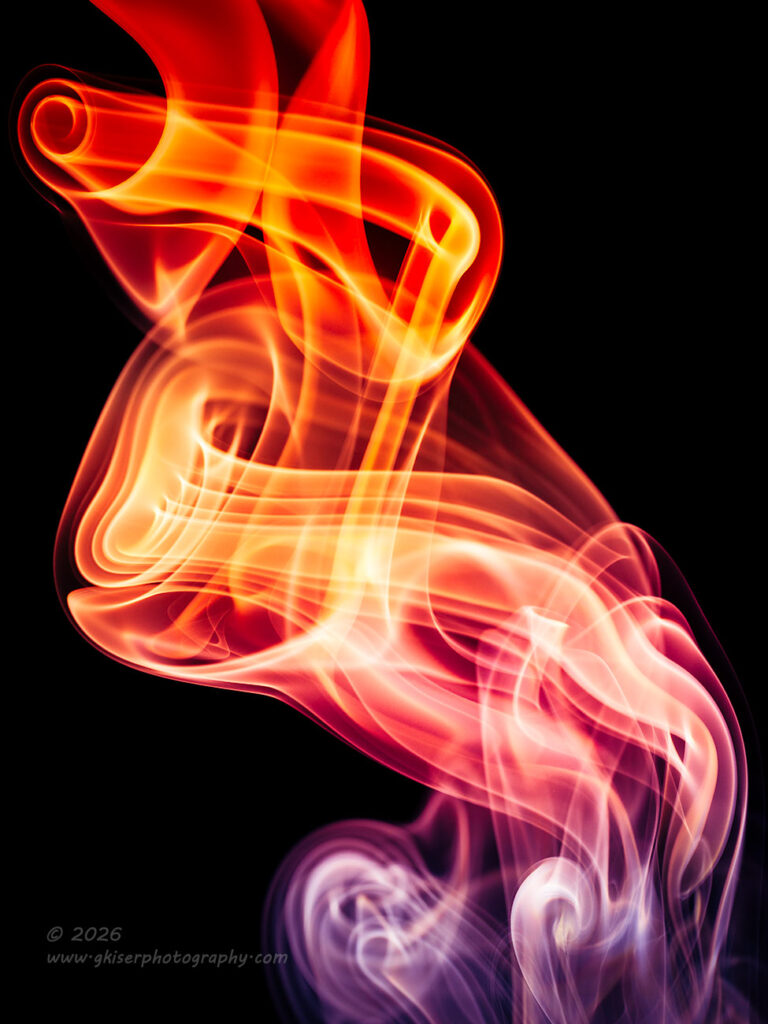
Thank you so much for joining me for this studio session. If you have made it this far into the blog, let me know. I would like to hear some feedback on this work and if you think that there are others that might enjoy seeing it, share a link to this blog entry for me. I’m really hoping to get this work in front of the right eyes at some point. There just has to be a group of folks out there who would appreciate this kind of photography because I think it is beautiful. I also understand why the vast majority of my audience doesn’t connect with it very well. I’m OK with that because I know when it all boils down, I am creating my work for me. I’m in it for the love of photography above all else. This is just another realm of the craft that I really enjoy working with. Hopefully it will find an audience along the way.
Until next time….