Welcome back for another adventure inside of my head. Each month, I bring another Behind the Camera entry to you, where I talk about things that have been on my mind or possibly answering a question that has come up during the previous month. The whole point is to give you a bit of insight into what is going on inside of my head and to possibly help you understand photography as an art a little better. I’ve been doing a lot of entries lately designed to help those just starting out in photography, but this month, I want to change it up a little. We are going to get into something that might be kind of deep and not a popular opinion, but it is something that I have been considering for quite some time now. In fact, this topic was added to my list sometime last year as it was slated for this series in November. Obviously, it didn’t make it in that month, but I am ready to talk about it now. So, here it goes.
The title talks kind of forebodingly about the end of epic photographs. It sounds kind of negative, doesn’t it? I mean who doesn’t love epic photography with grand scenes that just make your jaw drop? You know the ones, the places that we only dream about going under conditions that don’t even seem possible. These kinds of photos have been around for quite some time, but they are getting more and more frequent now. Add to that the availability of AI driven, prompt derived, digital art with photo realism. You can now create those same scenes from the comfort of your own living room without ever having been to these locations. For that matter, you can create a photographically perfect environment that has never existed that puts all of the previous epic photographs to shame. Why is this a bad thing? Is it a bad thing?
My position is this. Over the past 15 years or so, social media has been at the core of our daily activity. We scroll and look at visual stimuli almost without pause. We have gotten so connected to viewing photos that you will see the tag on posts “PFA” which took me a while to understand when I first started to see it. Of course, it isn’t a mystery now that it stands for “Picture For Attention” which explains just what it is there for. Without a photo or video attached to a post, it gets lost in the shuffle. These days, that phrase has been replace with “Picture for Tax” indicating that in order for a post to get seen, we have to have a photo posted. We pause on posts that have “eye candy” and that is where the concept comes into play. of course, as we see thousands of posts a day, each with a photo, the most logical idea is to post the most eye-catching photo that you can. Yep, that will drive the algorithm in your favor and get your post the attention that it so richly deserves.
Or will it?
I really think that this drive for likes and comments has made the over-the-top photography and processing so commonplace that what once stood out has become average. We see it all through the day, and if you follow a bunch of photographers, it is like a game to see who can top the next one. In portraiture, it is all about set design including so many different things that the person gets lost, or the lighting is so complex that the person is buried in shadows. In landscape work, it is all about fantastic colors and odd focal lengths with composite elements blended in. They are designed to be epic and over the top. Photographers are traveling to far-off places to get those epic locations and then all of their followers are seeing what they are capturing and will book a flight to the same spot. Now we are seeing an exponential growth of photos from that same epic location with the lighting and conditions getting better and better, whether through reality or AI generated sky replacement.
The end result is that now we are all chasing that next great shot which will have two seconds of fame on social media and feed that monster, only to be forgotten about by the time the like button has been pressed, or the “nice pic” comment added. These epic locations and shots are becoming just part of the visual noise that we are flooded with on a daily basis. Really think about it for a moment. What was the last epic photograph that you saw that made you stop in your tracks. Who shot it, where was it captured, do you remember any of the details of it, or remember how it made you feel?
Chances are pretty good that these epic photos that got your attention have faded into your memory like a passing car in rush hour. Its ok though, because your next visit to social media will probably offer up something better to replace that fading memory anyway. But that too will fade in short time.
We live in a time that is very unique in my lifetime because of the availability of imagery. I’m used to books and magazines providing the photography that I looked at. I would see the same photos several times during the course of a week or month as I studied the articles or the text. I lived with the photos for a while and decided what I enjoyed about them and took note of how they made me feel. Yes, the epic photos were magical to look at, but those happened every so often and by the time the next one came to my attention, the previous ones were woven into my memory and were now a part of me. I loved the epic landscape photos that I saw as well as the automotive photography from my favorite car magazines. It was photos like this which prompted me to want to get into photography in the first place. I saw these photos as goals and something that I could work towards. It was a challenge and something that I thought would be a special accomplishment.
Had social media been a thing during this stage in my life, I never would have become a photographer because what I would have seen day in, and day out, would have been over the top and something that I would never consider being able to do myself. It would have turned me off from photography before I even started. Not only would I think that this was the baseline of what a photographer should create, I would have the impression that there were thousands of photographers out there creating similar photos and there was no way that I could rise above them and do anything special.
If I was a photographer that was well into the learning curve and saw all of this, it would create an unrealistic expectation for my own photography and I would think that for my photography to make a ripple in the world, I would have to do the same things that I was seeing everywhere else. This is where the danger comes into play from social media. It creates carbon copies of other photographers as everyone tries to chase down the same shot from the same place, and in many cases with the same gear.
What is the solution, you ask? Well, I don’t know if there is a solution so much as this being something that just has become understood. I think that this is a fact of life that we are going to have to accept, and what has once been regarded as epic photography will eventually be known as largely derivative work which doesn’t mean much and holds little value in the overall scheme of art photography.
Now wait a minute, it sounds like I am saying that photography is dead because everyone is making the same images. Not at all, I’m actually going to try and convince you that photography is alive and well and is now much more accessible than it ever has been for those that want to create something that will resonate with an audience. The key is to move away from those epic shots that are all the rage, but that are quickly becoming the expected norm in your feeds.

My suggestion is that you take what makes you, the photographer, unique and harness that in your photos. Instead of chasing what you see everyone else photographing, go after the scenes that truly excite you. We are each individuals, with our own tastes and our own personal reactions to visual stimuli. However, in a world of trillions the chances are that there are many others that share some of your views and will have similar reactions to various scenes. Something that I have found over the last decade or so, is that my most rewarding photographs have been the ones that are far from epic and are usually of mundane things that I see in my travels. These images stand out because they are not the expected over the top photographs; but I’ve also noticed that they don’t get the same feedback on social media that an epic photograph would. This can be confusing because I’m telling you that to be a unique photographer you have to photograph things that are special to you, but that they aren’t going to be as well received in front of a wide audience. Yeah, I understand that is kind of confusing but hear me out on this one.
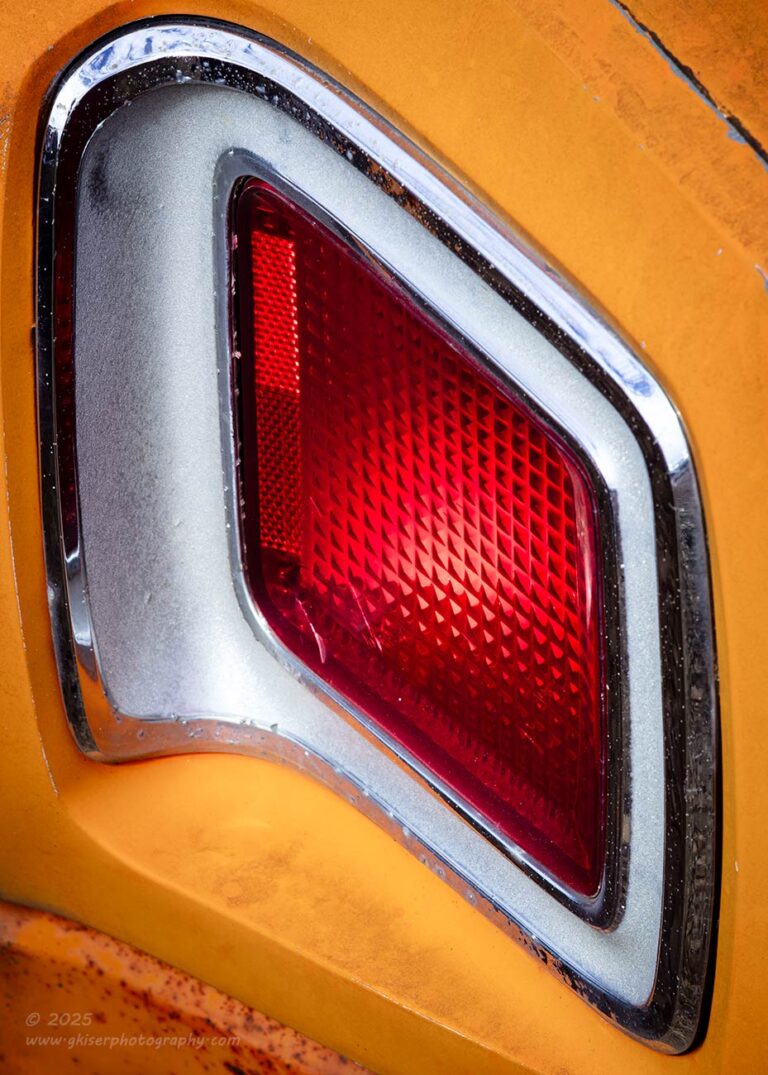
With the epic photographs, everyone will love them, and you will get lots of positive comments about them, but as I have mentioned, those same photographs will be forgotten very quickly and all those “nice pic” and “beautiful” comments will mean nothing at all. Sure, these are great for your dopamine hit fix, but at the end of the day, your photo meant nothing. On the other side of the coin, you can take a photograph like the one above of a stack of old Chevy fenders and see what the reactions are. There will be fewer interactions, but I can almost guarantee that the interactions and reactions that you did get were from folks that stopped in their tracks and looked into the photo. They were looking for answers to questions, considering every detail to decide if they liked it or not. If they decided that they did, they would react or comment. If they didn’t understand it, or it didn’t appeal to them, they would move on, possibly leaving a comment expressing their dissatisfaction. In either case, a photo like this has won out over the epic photo that has received countless interactions.
How is that possible? Simple really. I think that art is more about reaction and thought than mass appeal. The epic photos have a wide range of appeal, and many people will love a pretty scene, but that doesn’t mean that they are transported into the scene or really look at the photo in detail. It is a quick glance, and they are able to decide if they like it or not. This is on face value, but we all know that beauty is more than skin deep. By creating something without universal appeal, you are forcing the viewer to really look at the photo and consider it in ways that they don’t have to with an epic photo. You are asking them to understand it and examine it. You are asking that they become involved with the piece and then make a determination on whether or not they like it or even if they understand it. Whatever the outcome, you have captured the attention of more people, and those that understand and like the image will likely commit the photo to memory, or better yet, purchase a print.
You see, art is about connecting with an audience on a deeper level than hitting a “like” button. You want them to become invested in what you have created and want more. You want them filling in blanks to create their own stories behind the photo. Epic scenes are usually all inclusive and you see everything that is important which leaves no room for the revisiting of a scene. If a more pedestrian scene is photographed in a creative way, there will always be questions about what lies beyond the edges of the frame, and at times, what is in the frame. Creative photos of mundane things will lead to a conversation between your viewer and your work. However, just like you at a party, not everyone will be interested in what you have to say. Those that are, won’t be able to get enough and will keep wanting more from you.
It is the age-old quantity versus quality argument. These days, an epic photo will get you a very high quantity of reaction, but that value diminishes quickly because there is always something better around the corner that will pull them away from the conversation. A more nuanced photo will not appeal to as many, but those that it ensnares in its grasp will provide a much higher value response because you are connecting on a deeper level.
I’m not here to say that one is superior to the other because there are some photographers out there that want that wide range of acceptance and enjoyment of their work. There is nothing wrong with that, and it has brought lots of success to photographers over the years. That is not a goal of mine though, as I would much rather be seen as a different kind of photographer. I want there to be some amount of exclusivity to my work so that those that choose to hang my prints on their walls know that they have something that speaks to them and perhaps shows a bit of their own uniqueness. They also won’t go into other homes or businesses to find a very similar photograph hanging on the wall. I want that deeper connection with my clients and my viewers even though it means that I don’t appeal to as many.

I’m just going to come right out and say it. Social media has made epic photographs boring and run of the mill. They all just blend together now. This is fantastic news for those that want to stand out from the crowd though. If you can teach somebody to see something familiar in a different way, that is an exciting moment for the viewer. Sure, we can all look at a misty and moody vista of the Faroe Islands and see it as an amazing scene whether it is in reality or in a photograph. There is no denying that it is beautiful. However, when a photographer can make you look at a series of steps going into a building in a different way, that is impressive.
Take the photo above for example. I’m the first one to admit that concrete steps leading up to a doorway is more about practicality and movement of people than it is about art. However, there are certain lighting conditions and times of day when these steps look very different from just a form of people movement. The shadows and angles create lines that were never really there, and the framing directs your eyes, not your feet through the scene. because it is a photograph, we know that the person with the camera saw this as a significant scene of some type, and as a viewer we start to try to figure that reason out. This is where the engagement happens. It usually comes across after you see the photo initially and your reaction would be something like “what in the world? Why would somebody take a photo of some steps?” They have now hooked themselves into the photo as they look for the why behind the capture. If the photographer did their job correctly, the why will become evident to a portion of the viewers and they will understand what they are looking at. This is where the enjoyment starts. This photo will come into their minds the next time they see a series of steps leading into a building and they will look for the beauty there while remembering the aspects of what they had seen. That photo of the Faroe Islands they saw around the same time….forgotten, and replaced with something from Iceland they saw the other day.
The constant barrage of epic imagery has made it somehow un-epic. The advent of AI generated elements or whole scenes have put epic photos into question for their basis in reality. Many are largely dismissed as “fake” which again tears down the whole concept of an epic photo. I for one don’t want to put a lot of time and effort into chasing those epic scenes because it is really difficult and expensive to do so. You are constantly traveling and hoping that the weather provides that right lighting over a scene. This means that you have to plan on being in an area for multiple days with most of the days being average at best. Yet still, the chances of coming back with something epic are still pretty slim. The rub here is that you have invested the time and money regardless of the photographic outcome and if you have been concentrating on the epic scene, you will be empty handed.

Does this mean that we should no longer go after the epic lighting at fantastic locations? Of course not, but I would strongly suggest that you don’t put all your eggs in a single basket. If you can luck out, all the better, but go for the other photos too. They will each stand out in their own way and connect with different types of audiences. There is no doubt about the fact that a glorious sunrise over a picturesque setting will get a lot of attention, but even a photo like this will be forgotten in a very short amount of time. The sad thing is there are many photographers out there that would stop here and consider the entire trip a success based on the one photo and let that one speak for the entire experience.
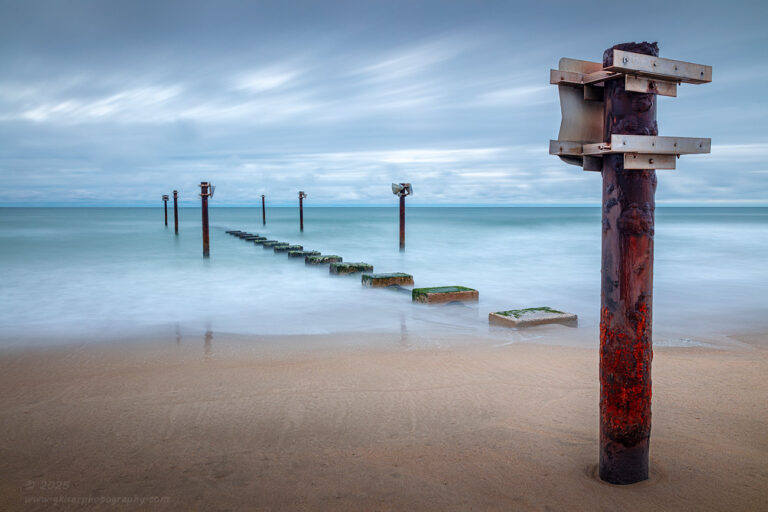
This photo was from the same trip, and it is one that I actually prefer in terms of staying power within my collection. Is it an epic scene? Far from it. This is a stormwater drainage pipeline out to the Atlantic from the town of Carolina Beach. There are warning signs erected to keep swimmers and boats away from it. However, you can see that this “municipal eyesore” has been photographed in a particularly interesting way that asks questions of the audience.
When comparing the two ocean scenes, one is very direct with the pier going out into a glorious sky. Everything you need to know about the photo is right there in your face. It was a beautiful morning and everyone that was outside and saw it commented on how it was one of the best sunrises they had seen in the area. By lunch, they had largely forgotten seeing it, and the same with the photo I shot. There is no real reason to keep it in your mind because you saw it, understood it, and appreciated it all within a few seconds. The other photograph doesn’t have nearly the visual impact and is a much softer image. However, you are immediately faced with the question of what you are looking at. As you examine the scene, you see the lovely rust texture on the foreground post that tells you what it is made of. You see the brackets for the sign, which is missing, and you wonder what it said. Even the steps leading out to the ocean offer questions as it is not readily apparent that these are the braces for the pipe below the water. By this point, you are seeing the movement in the sky and water from the long exposure. You are left feeling something and you are affected by the photo. Because it is so unexpected, you are now invested in the scene and will likely retain many of the details in your mind. There is always something else to look at with it, and you realize that the photo means something to you. Of course, there will be far more folks that see the photo that don’t understand or like it compared to the sunrise over the pier. That one will always have a more universal appeal, and I’m not going to question that at all.
The point is this, while the sunrise over the pier will have that universal appeal, it will just blend into all the other sunrise photos that you see from the coast. It won’t have a lasting presence on anyone’s mind. However, for the smaller audience that enjoys the drainage photo, it will stick out in their minds for much longer. Quality versus quantity in action. For me, I would rather have a handful of folks truly connect with one of my photos than have thousands of people like it for a few seconds and forget it.

I think that a fantastic example of this concept comes from a recent trek that I had in Alleghany County. The time was roughly the middle of the day, and the sun was still rather bright. I was traveling along a main route through the county and came upon an old store with an old Honda Civic parked at the corner. There was nothing at all epic about the location. In fact, many commuters would pass this scene and not give it a second thought except for wondering when the Dollar General would replace it. It struck me as beautiful when I passed it because of my connection with these old Hondas, so I pulled off the road and started to work the scene. This photo is probably my favorite from the day, and it is one that I think will appeal to those like me, on a much stronger level than your typical epic scene.
During my time there, I had the opportunity to speak with Pam, the owner of the car and building. She told me about how that car had been her late husband’s when it was new and that she had learned to drive a manual transmission in it. Her story was not all that different from mine with my dad’s ’84 Accord that I learned to drive stick in. The more I talked to her the more I could tell that she still loved this little car and all the memories that it held. Oddly enough, I had that same connection with the car, but not that specific one. It was the familiarity with the style that brought back all those memories. I truly believe that there are others out there that share a similar past with a car similar to this one. This is a new kind of epic photo and one that is more about things outside of the photo than what is inside the frame.
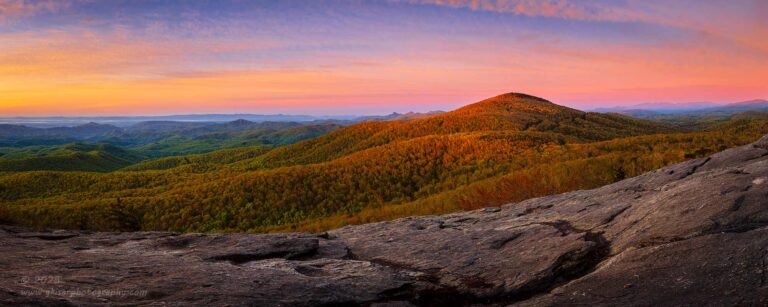
How can that be possible? How can a photo of a 1977 Honda Civic sitting at the corner of a derelict building be epic? You’ve forgotten the sunrise over the pier haven’t you. You are still considering the drainage pipe going out to the ocean, and now you are remembering the car that you learned to drive in. The epic scenes have no connection to our memories unless we were actually there. When I capture a scene of an old rusty car or a barn that is falling down, it will trigger a memory that we have, and we will connect with that photo on a level that just can’t be done when looking at an “epic scene.” The truly epic scenes are the ones that are burned into our brains because we have thought about them and considered them. Maybe they are stuck in our brains because we are still trying to figure them out like the stack of fenders that you saw earlier. You probably forgot about that eight-image panorama of Beacon Heights that opened this entry up though.

Photography is a creative outlet, and there is no getting away from that fact. Use that to your advantage when making photographs. Take for example this studio photo I did recently of a chess set. There is certainly nothing epic about a chess set, no matter what the history is behind it. However, as a photographer, if you can capture something so pedestrian as a game board in an interesting way, it becomes a more engaging photograph. It becomes eye catching and will cause questions to start in the viewer’s mind. From the lighting to the processing that was used, I did what I could to make this more interesting for the audience, but by no stretch is it an epic photo. I’m still a long way from posting this one online, but I can almost assure you that it will have less engagement than most of my photos, but the engagement that it does get will be more meaningful because it is a piece of art that hopefully will cause a reaction to the viewer one way or the other.
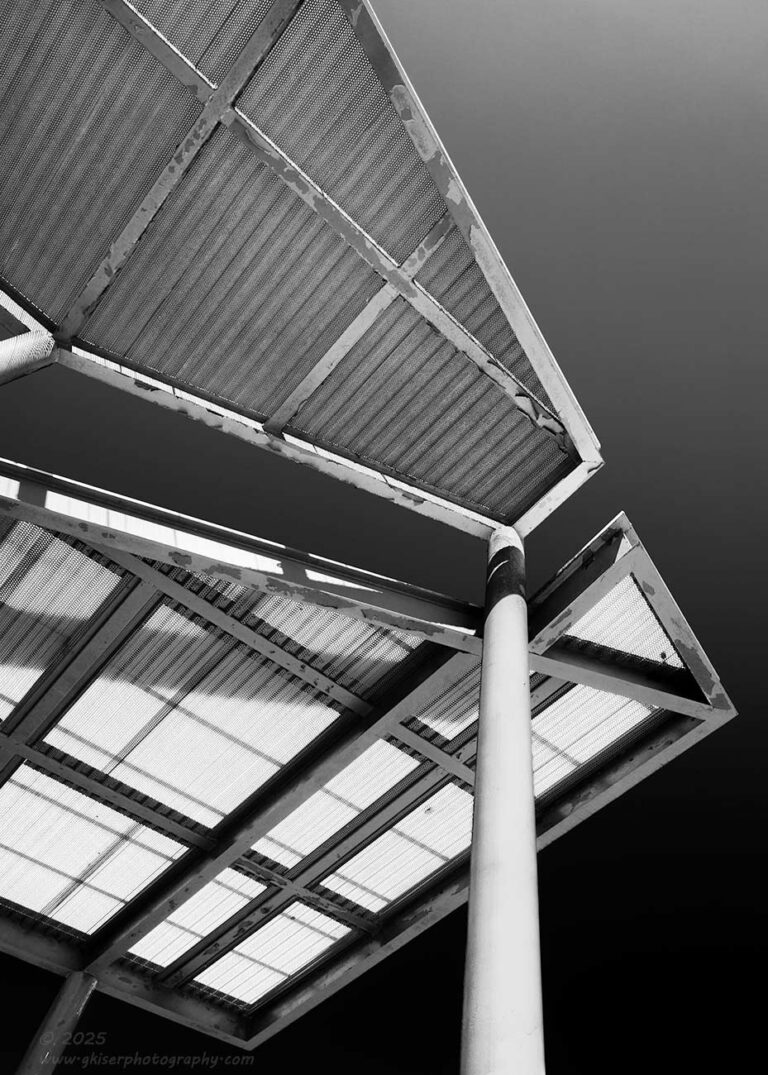
Let’s take a look at this photo which is simply of an awning over an entryway to a building. It is something that we walk under, and it keeps us dry on rainy days or helps to shield the sunlight from us. I doubt that we ever even look at them on any conscious level. However, there is a design aspect to something as simple as this and the ones who constructed it wanted to make it aesthetically pleasing and something that would complement the building. As a photographer, it is my job to find what makes it pleasing and capture it in a way that tells the viewer why it is interesting. The different angles, lines, and even the gradation of light through the image makes this something that is more interesting to look at because of how it was creatively framed and captured. Is it an awe-inspiring scene, absolutely not. Is it a scene that causes you to look at it and try to figure out what you are seeing? I think that it succeeds in that very well. In that respect, I think that this photo is much more successful than a photo of an absolutely epic scene from some far-flung location that requires immunizations and a translator for your tour guide. Oh yeah, this scene was shot about eight miles from home at the community college. Not very epic, huh?
I really think that the day of the epic photo has come and gone. We have killed it ourselves. This is actually fantastic news because it doesn’t mean that photography is dead. In fact, I think that it is more alive than ever, even in the light of AI imagery. You no longer have to jump over all these different hurdles to get to locations and fuss with lighting to get that next great image. All you have to do is learn to see regular things in a different way and then capture them in a way that allows the viewer to see what you see. When you look at it this way, there is still a good amount of skill involved, but it is skill that is not dependent on location for once which makes it more about the photography rather than where you went. The new “epic photo” will likely become how the photographer has seen and captured a particular subject rather than just creating a pretty picture. I’m all for it, and I think we will see a lot more variety in our daily consumption of imagery if this concept takes hold. That is a good thing, because I am tired of seeing over the top images that look like 20 others that I had seen earlier in the day. Let’s see more photos of things that we never really looked at before.
Thank you for joining me for this latest installment of my Behind the Camera feature. I really hope that you have learned something about my motivations with photography. If you are a photographer yourself, I hope that it causes you to think more about what you are photographing and you are motivated to stick out from the crowd a bit more. Let’s all bring what makes us unique to the table and stop chasing those same epic photos. Let them have their place and be happy when the opportunity presents itself but put your effort into creating photos that are truly a reflection of the photographer, not the social media algorithm.
Until next time….