As I see it.
Welcome back to the blog! I’m glad to see you and I appreciate you clicking the link to get here. For those who are new, this is my monthly Behind the Camera feature where I choose a topic which I want to discuss that just doesn’t fit in with the normal treks. For those who have been here a while, you will know the drill by now. Sometimes this is a place where I try to provide tips to help other photographers, other times, I use this forum as a place to aid in the further understanding of who I am and what my art is all about. For this month, I’ve been struggling about what to talk about. Although, for the sake of full transparency, I am starting this blog at the end of June. I like to stay ahead of the game as much as I can with these regular blogs and with very little going on in the way of treks, I seem to have plenty of time on my hands. The struggle wasn’t for lack of potential topics which I keep in a folder to pull from each month. I still have about seven of those that I am prepared to talk about, but none of them seemed to really fit the frame of mind that I was in as I was starting to prepare this entry.
I needed something that I actually wanted to talk about and none of my topics fit that need. If you have been following the regular blogs for a while, you will probably already know that I have been struggling with the actual point of photography and how it will be fitting into my life in the coming years. I’ve kind of gone the full gamut of responses through the current year so far, with my first realization being that I just didn’t care about the business aspect of it anymore and I was just going to do it for the love of the art. There was something freeing in making that statement out loud and I felt like a more legitimate artist for saying it out loud. It took a lot of the pressure off of me for trying to drive traffic to the website and keeping content fresh on the socials. I was just here to focus on the photography and let it all fall where it may. That was short lived, however, once I heard back from my tax folks about the state of the business. Yep, I do have a legitimate business in the eyes of the government, and I have to follow all those rules and regulations. One of them, which I had been unaware of was the need to actually make a profit which has not been the case for a few too many years now. I’ve managed to stay afloat, but only barely.
The long and short of it was, that I needed to turn a profit this year in order to keep my business intact. For someone doing photography for the art of it, that shouldn’t be a problem or consideration. However, it would start to affect my ability to sell prints and provide photographic services for those that want it. I didn’t want to leave my regular clients out in the cold and not be able to legally sell them prints and services as I have been. Also, I wanted to keep my business insurance that covers my equipment and liability for what I am engaged in whether at the studio or on location. There are a lot of benefits to having a legit business as opposed to just doing photography under the table. The other end of that is that these things take money and I have a constant outpouring of cash to keep the business end of my photography alive.
All of this has kind of posed the question once again as to what exactly is the point of it all? At this point, you are probably figuring that I am getting ready to get into some deep navel gazing that will bring everyone down. That isn’t the case here, and in fact, I’m not going to beat that horse any longer. I’m just setting the stage for why I am getting ready to talk about and the actual topic that I have chosen. It has nothing at all to do with my photography, or the reason that I am doing it. What I want to talk about is how I am seeing photography, as a whole, progressing these days. My intention is to maybe create a bit more of a discerning eye when it comes to what you are seeing as you scroll the different posts on your favorite social media pages. I think as a culture, we have largely lost the ability to fundamentally enjoy photography as an artform, and quite possibly art in general. We spend all of our reactional energy on the artificial sweeteners that are added to a photo thanks to the latest release of an editing program, the latest and greatest iPhone platform, or the newest AI trend. The focus is not on the craft anymore, nor is it on the subject, it is all based on how flashy the photo looks and how much attention it grabs in the short term.
This might be a good time to look back on this Behind the Camera where I talk about the differences between a sugary sweet photo and one that has real substance. I still stand firmly behind the concepts of that particular entry and find myself continually assaulted with those bubblegum images as I look at other photographs online. That is what I want to talk about today, in a broad sense at least. I have really started to become annoyed at the photography industry as a whole over the past few years or so. The things that should be rewarded are no longer even considered, and what gets the attention is curated for just that purpose, and nothing else. Photography, especially when viewed online is like a toddler going “ME, ME, ME, ME, ME, ME….”
There are two types of photos that I have found which get attention online. The first is the random and careless snapshot of a subject, potentially through a car window. There is no thought given to framing or cropping, or even lighting. It is just a photo to say that I was here, or this is what I did, and that photo is posted all over the different groups on social media. It gets responses and comments because of what is being documented, not the actual photograph. These groups are not concerned with the quality of the photo and that is fine. That photo has served its purpose and done so very well, though it would never make its way to a wall in an art gallery as a display piece. On the other end of that spectrum is the over-the-top, highly processed, AI injected image that is labeled as “cinematic”, “dark and moody”, “light and airy”, “editorial”, “natural”, or some other descriptor based on the preset that was used during the processing. It doesn’t matter what the subject is, everything about the photo is designed to catch the eye for a brief moment and then be forgotten about. It’s all about the likes and engagement and nothing else matters.
There is a large portion of photography out there which is high quality, yet quiet in comparison. I believe that this is where the actual “photographer” lives and creates. This is also where there is minimal reward in terms of people actually seeing and appreciating the work. There is no way that we can compete with the flash that is out there. The more that I examine what kinds of photos are popular, the more I realize that those who are really in this for the art of it all, aren’t even on the radar anymore. What used to be considered fantastic photography is now forgotten because nobody is willing to take the time to actually understand what they are seeing anymore. If, the point of the photo isn’t glaringly obvious within 0.0003 of a second, it is dismissed and thrown to the side (figuratively). At the same time, if a photo has a preset applied to a haphazard crop to achieve a popular “look” that fits the Instagram frame, then it gets tons of attention very quickly while not having much at all to say. How fair is that?
When it gets into photos of people, we start to see something quite similar happening. This time, it is not just about the presets that are used, it is about the subject, or more specifically how they appear in the frame. I’m a member of several different portrait groups on Facebook and have unfollowed many of them for one reason. The portraits that are shared have gone from ones where lighting styles were discussed as well as posing to just showing pictures of females with little to no clothing in random poses. These photos are heavily edited to remove any texture from the skin, the backgrounds have been artificially blurred, or even replaced, and the pose is not elegant, but is clumsily trying to move into the erotic realm without getting flagged by the social platform. Graphic blocks or other censorship elements have been added to block out sensitive parts that will get the posting account suspended because there has to be some element of nudity to the portrait for it to be considered worthwhile these days. These are the posts that get the attention and that the algorithm rewards. Those photographers out there who are creating beautiful portraits with consideration into the actual art of it all are hardly seen because those aren’t the photos that the algorithm pushes out to folks.
I saw a meme the other day that really brought this home for me. It was a drawing with two frames to it. In one frame, there was a girl dressed conservatively with her hair back in a ponytail who had painted a beautiful landscape. She was there with the painting looking kind of melancholy. The caption was “30 likes.” On the other side was the same girl, dressed in a crop top with her hair all done holding a phone for a selfie in front of the same canvas. Her pose was one that was intended to draw the attention to her rather than the canvas beside of her. The landscape which had previously been on the canvas was now replaced by the “poop” emoji. The caption was “100,000” likes. This really made a lot of sense for me based on what I have seen and experienced during my time online. When it comes to social media, it is never about the quality of the picture, it is about attracting a demographic. I think that the term here would be “thirst trap”, but I might be getting that wrong. I’m old and out of touch.
Have we really gone so far into the rabbit hole of “click bait” that we are no longer concerned with content, but rather the mass approval that is gained through hunting for the reaction rather than the creation? I do miss the days of seeing photography as art. Those were the days that made me want to be a photographer because there was a certain level of skill involved and I needed to learn techniques to be able to create this art at the level that I wanted. It was an honorable craft to get into and one that would allow me to see and enjoy beauty in a time when most everything I saw was negative and horrible. That is just part of being a police officer I suppose. If I was looking for a hobby or potentially a new business venture, I really doubt that I would be drawn to photography these days. There just aren’t enough real rewards to it anymore.
The state of photography has changed greatly, and what is deemed important in it has also changed. For many years now, I have spent time researching the different skills in photography from composition, to lighting, and more recently getting into color theory. When I first got started, this was done in the form of magazines and books. Of course, in the age of YouTube University, videos became a very important part of the learning process. I can remember watching videos where they didn’t really mention what kind of camera they were using, but they took time explaining what they were doing and how they were coming up with the composition, or how they were reading the light. It was always more of the process rather than sharing what you should buy to do this same thing. Exposure settings were mentioned, but always with the caveat that their settings would not necessarily be my settings because of the difference in time and place. It was all very helpful in a broad sense. It allowed me to see the process and to have a greater understanding of the creative end that went into the photos.
Over the last five years or more, things have changed on the video front. Sure, I have learned a lot more and don’t really need the basics of the videos anymore, but I’ve found that reminding myself of some of the basics is a great idea to keep me moving ahead. They are also a great way to come up with topics for this feature by the way. However, the content has gradually changed, almost to where I didn’t notice it at first. Those great videos that talked about the process behind the craft have transitioned to the photographer using a different camera system each time, and explaining the benefits of the newer gear, or the gear from a different manufacturer. The photographer will transition between different kits and talk about how one is better than the other for different tasks. Reviews will be done, gear loans will happen, and comparisons will be made. All of a sudden, the creative process has been omitted from the 20 minute video and we are now looking at a sales pitch for that next bit of kit that is being released.
If you follow photography video channels, just pay attention to what happens when a camera company releases a new product. All of a sudden, there are 30 different channels that are offering a first look at the piece of equipment before it can even be bought. Of course, this gear is provided to these “influencers” for the review which is coordinated with the company marketing strategy to get all those initial sales done. In essence, the YouTuber/Influencer is going where the incentive is, which is doing marketing for companies that want to sell their equipment. All of the reviews are always the same, and the reviewer will tell how this new product will revolutionize your photography in one way or another. This is a load of bull that is being forced down our throats, but it gets the influencer affiliate income and sponsorships which become a big part of their overall income.
In short, it pays for a photographer to market to other photographers and keep their audiences filled with newer photographers. As a photographer, I want to market myself to those that want wall art, or need portraits created for them. Those are the clients that I’m trying to reach because what I am producing is a photograph, not business for another company. What I use to produce that work means nothing at all to the clients. My gear is just a tool for my creativity, and that is all that it is.
This shift in the marketing direction for photographers has created a very interesting side effect with the various algorithms online. There isn’t much online history out there for people shopping for wall art or photographic services. It just doesn’t happen regularly enough to be a source of ad revenue for the different online entities. On the other hand, there is a never-ending supply of photographers looking for gear reviews, tips and tricks, and other things that are for photographers, by photographers. This is the reward, so the algorithms tend to push photographers out to other photographers which leads to very little actual client interaction.

Even looking at my own situation, I am constantly trying to get my work in front of those that might be interested in hanging a print on their walls. However, most of my interactions come from other photographers who enjoy what I create and want to learn from it. That is great, and I’ve managed to do workshops and mentorships to fill that need, but at the end of the day, I want to provide prints to my clients who will enjoy seeing them on their walls. These photographs are what I work hardest for and spend the most time with. That is also the hardest audience to connect with. This leaves me marketing much of my content to other photographers in the context of education. I do love teaching photography and have done everything that I can to provide a worthwhile experience for those who want to learn from me. I just really have to be careful with how I go about it because I don’t want to end up like other photographers looking for a sponsor, or being a marketing arm for the newest product.
I’m terrible at doing the gear thing. I do earn affiliate income from B&H Photo, Amazon, Red River Paper, and once upon a time, Singh-Ray Filters which has just recently come back online again after some legal disputes when the owner passed away in 2023. This has always been just pennies worth of income for me, and most of those sources have dried up because I’m not using the current gear options out there. Most of my primary gear is out of production and is no longer being supported by the manufacturer. My portrait camera is the most current, and even that is no longer in production. Even some of the new RF lenses have been replaced now with newer options than I have in my kit. I’m not going to go out and buy new gear unless that gear will make me money. What I have is sufficient for what I need for a long time to come, but that thought process kills any significant chance of affiliate income. It has been a couple of years now since I’ve gotten a check from any of those relationships, so I barely consider myself an affiliate with anyone anymore. I just keep the relationships there for the chance for a few dollars here and there.
Another fold to this environment to photographers connecting with other photographers is that the photo is no longer the product. The product starts to be the style of a particular photographer. This has led to the advent of selling presets. For those that don’t know, presets are the “recipies” that are used for the processing of a photo. Essentially, I can do a full edit and processing on a photograph and save what I did to that RAW image. That saved file which is a series of adjustments can be packaged as a set of instructions which can be applied to any RAW file out there. Many photographers do this and sell their preset packages to other photographers. I have my own feelings about this and why I think that it is a terrible idea, but the fact is, this happens more often than not. The idea is simple, if you want to create images like me, buy my presets and apply my edits to your photos. It is just another stream of income for the photographer, and one that targets new photographers who are looking for that cheat sheet for advancing.
Much of this has factored into my argument that there is just not much point to photography anymore. Photographers are out there to chase trends for likes and to get sponsorships that result in others buying from the big corporations. It is all directed at outsmarting the algorithm and getting cheap advertising with “influencers” which have a following based on likes and subscriptions. The value of the actual photograph is diminishing which saddens me greatly. The photograph, or the actual result of all of these years of learning a craft is disposable and is just there as a passing illustration of the effort used to sell presets or instructional videos. The effort is only rewarded if the result is flashy and attention grabbing thanks to the lollipop style of image making. Those photos were never designed to be displayed on a wall, only to get the like and to have an algorithm decide that others will want to see this photo as well.

Here is something that I’ve also been noticing more and more dealing with those that do people photography, especially in social media groups. They seem to always start out by saying that “I’ve been taking photos with my iPhone for a few months and want to make this a business. What camera do I need to buy?” This really is putting the cart before the horse and shows that nobody really understands what goes into knowing photography well enough to charge for it. The next stage of this process is building the portfolio and asking for swap sessions with other photographers who might need branding photos as well. These sessions are free and are always done between photographers. I can’t help but think that this is a product of the photographer not seeing the value of the craft enough to actually pay another photographer to provide a service. The next step is doing mini sessions where you charge like $35 for 15 minutes of shooting and you get something like 45 edited photos from that session. There is just no way that you can achieve quality with that kind of volume over that short amount of time. The inevitable next step is burnout or the struggle of actually selling your services for anything near what is sustainable.
A funny thing happens here from what I’ve seen. Photographers go back to doing session swaps because they want photos of themselves or their loved ones yet don’t want to pay for the service from other photographers. All of a sudden, the business model is photographers targeting photographers for free sessions. This gets us back to that crazy loop that I have mentioned before where it is just photographers following photographers and there isn’t a good offramp to get to those who actually want and need the services of a photographer. It would be nice to say that social media is to blame here, but I think that it is our own fault for creating the reality that the algorithm has catered to. Photographers always start out by following other photographers to learn the craft. They interact with those photographers and branch out to other photographers along the way. As that initial photographer gets better, other newer photographers start to follow that photographer so now we have a collection of connections with photographers that are more advanced than the individual that we are talking about and a collection of those that are not as advanced. At no point has the photographer in question gotten into the circles that would include potential clients outside of other photographers. You see the problem here? The circles that we run in just don’t include the people that we want to be seen by.
Photography in a digital era is an interesting beast. We have access to so many avenues of connection, yet it is so hard to break away from the core group of folks that are also photographers. Back in the days of film, the photograph was done as a print and hung in a place where the potential client would see it. They bought wall art that looked like wall art, and they went to photo studios where they could get portraits done. This worked when there were (for the sake of argument) 25 photographers in a given geographical area. These days, that same area will include 10,000 photographers which creates a situation where the potential customers are left looking for the cheaper one outside of any real knowledge of who they are looking for. You heard me right, the client rarely knows what they actually want and that is where having a true photographer comes in really handy. They end up with a photographer shooting 15-minute mini-sessions for $35 and become unimpressed with the outcome, but figure that is going to be the case with any other photographer because the one that they hired had what looked to be a nice camera. Or, they pick up a small photo at a local gift shop that was shot on a phone which depicts a spot that they had visited. It is of no different quality than what they could create, but for $15 on vacation why not get it? Without knowing the differences that they would see in a large carefully created photograph, they now have a benchmark for what a photograph should cost and they believe that the value is fair. It is all based on a lie.
These situations do cause problems for the industry as a whole. While my clients are not necessarily those clients, there is a pretty loud realization that photography can be had for cheap. So, why in the world should I pay $650 for a moderate sized canvas print, or do a photo session for $400? The price is wildly different from what I’ve seen available, so what makes one photographer worth that much while others are charging pennies in comparison?
The answer is the knowledge of that photographer, but once again, that is not rewarded or a popular topic to talk about. When I say knowledge, I am not talking about the camera settings or knowing the latest editing trend. I’m talking about the knowledge to be able to create an image based on a simple idea from the client. I’m talking about the understanding of the artistic principles that will bring about a photo that is worth looking at over and over for years to come. It is the knowledge of whether a canvas or metal print will suit the photo and space better rather than just having all my work done at Walmart because they have a good price on canvas prints. This knowledge takes time and many failures. The result of that time and energy learning about all the different ends of photography is what you are paying for when you hire that really expensive photographer versus the one that is shooting the mini-session for a few dollars at the park. By the way, those mini-sessions are not going to be personalized. That photographer has a list of appointments set up over roughly five hours so that when they get home, they have about 15 client sessions to go through. You aren’t special to them, no matter what the advertisement says.

Let’s take this photo as an example. I was hired to shoot an engagement session at an Airbnb cabin close by. The clients were from the coast of NC and after discussing what they were looking for in photos, I started to put together a plan of action. This was not a session built around a set that I had done at a particular location that I expected everyone to fit into. I was going to be working in a place that I had not seen, and wasn’t going to have access to until the day of the shoot. That is just a product of planning the shoot at a rental property. It was scheduled for February which is a very drab time of year here in the Foothills of NC. I discussed that with them because there wasn’t going to be happy colors around to cheer up the scene and make it look like a celebration. The trendy “light and airy” look wasn’t going to go very far with a bunch of dead trees and dormant grass. February was also a hit and miss month for Winter weather which meant that it could be snowing outside, or we might have nearly 90 degrees and sunny. There was just no telling. I was hired because I could adapt to the situation and that was what separated me from the cheaper photographers.
Instead of me going to a FB group and posting anonymously the question, “I’ve got an engagement shoot coming up in the Winter, I need inspiration and what settings should I use?”, I decided to take the initiative and helped with wardrobe choices for the clients that would fit the season and location. The colors needed to go with the season while bringing a bit of vibrancy and energy to the scene to overpower the dormant vegetation. I thought about the time of day that would give me enough time to work before the light was gone while keeping in mind that the presence of clouds could change things quickly. After a few days, we had a working plan for the session and were all set.
The day of the session, we had been in the middle of a deep freeze with lots of ice everywhere which was totally unexpected. They had made it to the cabin safely and that was where the session was going to happen. I didn’t try to back out or reschedule because I had been hired for the job, and it was my responsibility to see that through. I just put on my photographer pants and drove my 4WD up the mountain and over the stream crossing to get to the cabin. From there, Toni and I carefully slipped and slid across the ice that was totally ice rink ready to meet the clients and to get them in position. Now the ice made for a really difficult time of moving around which meant that I had to take care of my clients and make sure that they were safe moving around in addition to Toni and me. It was so cold that all of our extremities were going numb quickly. We could hardly talk over the chattering of teeth. This was a miserable experience by any metric, but over the next hour and a half or so, we made it work. They were fantastic and with the help of Toni and myself we got them into great poses and managed to make them forget about the cold 1/200 of a second at a time. By the end of it, we were all frozen solid with no fine motor skills left. However, we all talked about how much fun the session had been. This is why you pay the big bucks for a photographer, and you will get a photographer that sees you as an individual and tailors the experience to you.
This is what makes a photographer worth the money. We can adapt and overcome while creating images that are just what the client wanted. These are the photographers that get forgotten because how can that session be worth $650 when I can have a 15 minute session for just $35? By the way, I think I delivered something like 70-80 photos from the session which is possibly only twice what a mini-session would have yielded based on the trends that I am seeing. However, this session was specific to the couple and was created over time and then executed while taking into account the existing conditions of the day. That flexibility is where the value for the money comes into play.
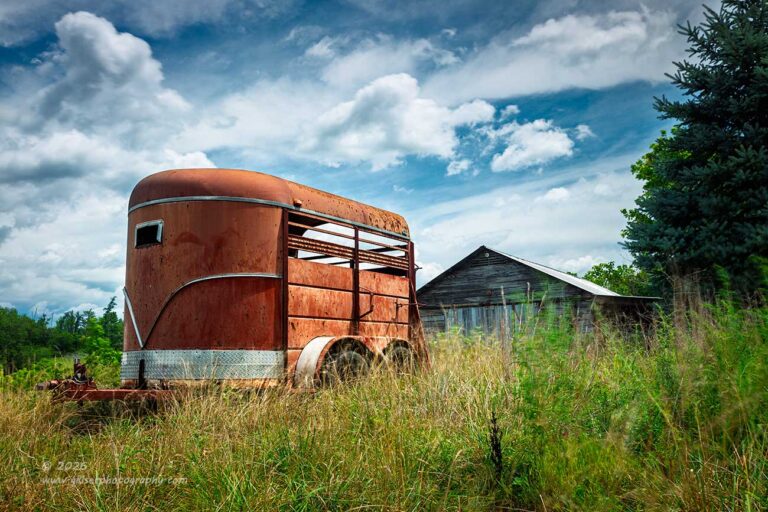
What about a photographer that is more of the freelance side of things that isn’t doing client work all the time? Is this photographer a one-hit-wonder that has a single successful image that goes viral online every time it is posted? Is it a photographer that hopes you don’t realize that they process all of their photos by using a preset package that they purchased a few months ago so they can try to look like another photographer? Those photographers are a dime a dozen and even a broken clock is right twice a day. Where I see value in photography is in the quieter images and the deeper portfolios. I think that the question that needs to asked is whether or not the photographer is consistent over time. Can they produce solid work any time of year and in any condition? Even before I was an actual photographer, I got lucky with a few photos from time to time, but I was not consistent at all and most of my photos looked like a camera roll on any given cell phone…but they were actually in a photo album on yellowing pages. After years of learning photography, I am now very consistent, and I have developed a style that is my own while also being quite recognizable. I can go out at any time and create strong photos. Sometimes the photos are loud and will get attention in passing, but most of the time my photos are much quieter and have a slow burn for those that choose to take the time to really look at them.
When it comes to photography, I value the craft over the reaction. I do it for me, but at the same time, I long for the days when photography mattered for its own sake. Currently, I don’t see that happening and that makes me very sad. All of those great photographers over the years wouldn’t even register these days with the masses. Ansel Adams, Henri Cartier-Bresson, and the like would just be background noise had it not been for the recognition that they have already achieved. Their photos are quiet and take thought to understand and appreciate. The masterful processing of a black and white print, or the recognition of the right “moment” is just not important these days. What is important is how attention grabbing and how loud an image is. Can you see something taboo in the photo which is otherwise rather pointless? These thoughts make me sad about the current state of photography as well as the future of it. Like I said before, had photography looked this way 20 years ago, I might have taken up fishing as a stress relief from being a police officer.
One final thought that I want to share here is the trend that everyone who want to pick up a camera does so with the intention of making it a business. Remember that person that was shooting photos with their iPhone that I was talking about earlier? Well, they are always asking what camera is best for a certain type of professional photography. It seems that once the photography bug hits, it can never just be for a hobby. The vast majority of folks want to jump right into making it a business. I do realize that is kind of where I ended up directing myself early on, so I’m not throwing stones here. In fact, I want to make it very obvious that the better choice would have been for me to just do this as a hobby rather than start trying to figure out how to make money with it.
There is nothing at all wrong with photography as a hobby, and that is probably where the most enjoyment will come. It is stressful to run a business based on a creative talent that you possess. The needs of the business usually are at odds with the creative needs that you have and there will be a constant battle between the two camps. If you choose to be a photographer as a hobby, you get to spend your time shooting what you want and how you want to shoot it. Once you get into the business end of things, you are always thinking about what makes a sellable image, and what skills can bring you money. This just takes the fun out of a perfectly good source of enjoyment. On the business side of things, the chance of making enough money to live off of is kind of slim. Those that do it, have a great mind for business and they are a photographer second to that. At least that is the case most of the time. Talent alone won’t make a business work, but it seems that more and more folks are jumping into the photography business before they even develop a talent for the craft.
The end result is a plethora of amateur photographers out there charging small amounts for services that makes the more experienced photographers seem like they are overcharging for something that anyone can do. The appreciation has really dissipated for photographers over the last decade or more. That brings us right back to the original thoughts that the only photography that gets any traction is the flashy stuff that is meant as disposable consumption. Real photography that is treated like the artform that it is, largely gets forgotten in the mix. That just makes me very sad, and makes me worry about the future of this craft.
Thank you for joining me for this installment. I would love to hear your thoughts about the topic whether you are a photographer, a creative, or just someone that enjoys looking at photos (any kind of photos). I realize that I am just one person with a single point of view on the subject. I’m hoping that I am missing something that will give me hope for the future. So, let me know your thoughts on this.
Until next time